
The choice between EGR delete kits and EGR valve replacement is a common dilemma for diesel vehicle owners looking to enhance performance. While both options aim to address exhaust gas recirculation issues, they come with distinct implications that can affect engine functionality and legality. EGR valve replacement is typically the more responsible choice for maintaining emissions compliance and engine longevity, while EGR delete kits may offer short-term gains in power but at potential legal risks.
Understanding the differences between these two approaches is crucial for making an informed decision. EGR delete kits can improve horsepower and fuel efficiency by eliminating the EGR system, but they often lead to increased emissions and may violate environmental regulations. Conversely, replacing a faulty EGR valve can restore proper operation without the downsides associated with deletes.
As diesel technology continues to evolve, so do the choices available to vehicle owners. Each option presents its own benefits and drawbacks, which is why a careful evaluation of individual needs and local regulations is essential before proceeding with either an EGR delete or a valve replacement.
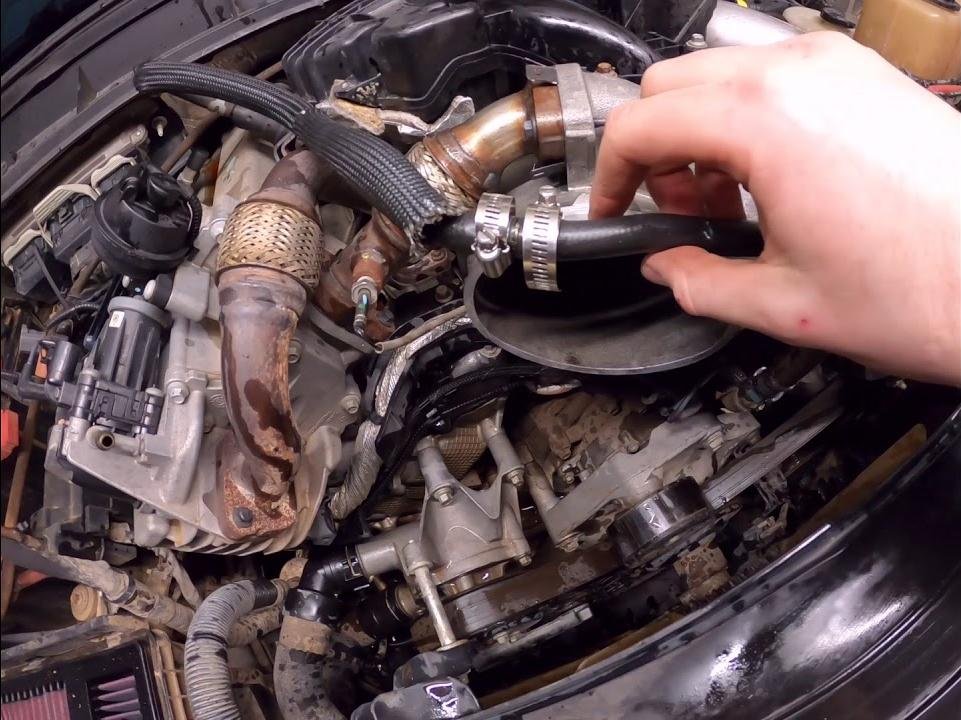
Understanding EGR Systems
EGR systems play a crucial role in reducing vehicle emissions, improving air quality, and enhancing engine efficiency. This section outlines how these systems work, their components, the reasons behind their failure, and the regulatory environment surrounding them.
How EGR Systems Reduce Emissions
EGR, or Exhaust Gas Recirculation, systems work by recirculating a portion of the engine’s exhaust back into the intake manifold. This process helps reduce nitrogen oxide (NOx) emissions, which are harmful pollutants produced during combustion.
By reintroducing exhaust gases, the system lowers combustion temperatures. Cooler combustion temperatures result in reduced NOx formation. Most modern diesel and gasoline engines utilize this technology to comply with stringent emission standards.
EGR systems effectively mitigate emissions without needing extensive modifications to the engine design. This makes them a practical solution for manufacturers aiming to meet environmental regulations.
Components of EGR Systems
EGR systems consist of several key components:
- EGR Valve: This valve regulates the flow of exhaust gases back into the intake manifold.
- EGR Cooler: This component cools the recirculated exhaust gases before they re-enter the intake.
- Piping: The piping connects the exhaust manifold to the intake manifold and ensures a controlled flow of gases.
- Control Module: This electronic component monitors and adjusts the EGR operation based on engine conditions.
Each component works in harmony to ensure optimal performance and emissions control. Regular maintenance of these parts is crucial for the EGR system’s functionality.
Reasons for EGR Component Failures
EGR systems can experience various issues leading to component failures. Common reasons include:
- Carbon Buildup: Exhaust gases can leave behind deposits that clog the EGR valve or cooler.
- Valve Defects: Mechanical failure in the valve can prevent it from opening or closing properly.
- Temperature Fluctuations: High engine temperatures can impact EGR components, leading to premature wear.
- Electrical Issues: Malfunctions in the control module can disrupt the operation of the EGR system.
Identifying and addressing these issues early is essential to maintain engine efficiency and compliance with emissions regulations.
Regulatory Environment and Legal Implications
EGR systems are subjected to strict regulations governing vehicle emissions. In many regions, manufacturers must ensure that their vehicles meet specific NOx emission standards.
Failure to comply with these regulations can lead to substantial fines for manufacturers. Additionally, vehicles that do not meet emission standards may be barred from registration or operation in certain areas.
As stricter regulations are implemented globally, the importance of effective EGR systems increases. Compliance not only benefits the environment but also protects vehicle owners from legal issues and penalties.
EGR Delete Kits: Costs, Benefits, And Drawbacks
EGR delete kits can be a cost-effective modification for some diesel vehicles. They come with potential advantages, such as increased engine performance, but also entail significant drawbacks, including environmental concerns and compliance issues.
Costs of EGR Delete Kits
The cost of EGR delete kits can vary widely based on the vehicle make and model. On average, these kits can range from $200 to $500.
Factors influencing costs include:
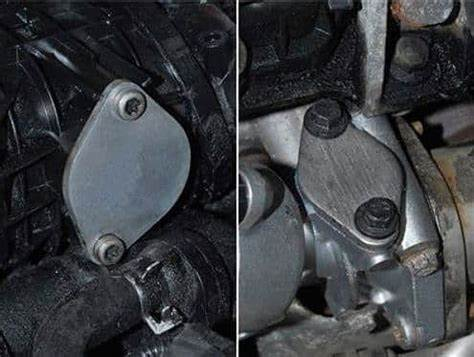
- Type of Kit: Basic block-off plate kits are usually cheaper, while more comprehensive kits involve additional parts and labor.
- Installation Fees: Professional installation can add $100 to $300 depending on the complexity of the system.
- Additional Modifications: Owners may also need to invest in related modifications, such as a DPF delete, which can further increase expenses.
Considering all these elements is essential for potential buyers evaluating the financial implications of an EGR delete kit.
Benefits of EGR Delete Kits
One primary benefit of EGR delete kits is the increased engine power. Removing the EGR valve can lead to improved throttle response and acceleration.
Additional advantages include:
- Better Fuel Efficiency: By not recirculating exhaust gases, these kits help ensure more complete combustion, potentially improving fuel economy.
- Reduced Engine Deposits: With less exhaust gas entering the intake system, there’s a decrease in carbon build-up, which can prolong the engine’s lifespan.
- Simplicity: EGR delete kits often simplify maintenance by limiting the number of components that can fail.
These factors make EGR delete kits appealing to performance-oriented drivers seeking to enhance their vehicle’s capabilities.
Drawbacks of EGR Delete Kits
While there are evident benefits, EGR delete kits come with notable drawbacks. One significant concern is the negative impact on emissions.
Many drawbacks include:
- Environmental Compliance: EGR deletes can make a vehicle non-compliant with emissions laws, risking fines and failing inspections.
- Potential Engine Damage: Without the EGR system, the engine runs hotter, which may lead to premature wear or damage over time if not monitored properly.
- Warranty Issues: Installing an EGR delete kit may void manufacturer warranties, leaving owners responsible for any repairs.
These considerations must be weighed against the anticipated performance gains when deciding on an EGR delete kit.
EGR Valve Replacement: Costs, Benefits, And Drawbacks
When considering EGR valve replacement, it is important to understand the associated costs, key benefits, and potential drawbacks. This section provides detailed insights into each aspect to guide informed decision-making.
Costs of EGR Valve Replacement
The typical cost of replacing an EGR valve can range between $200 and $1,000. This price includes both the part and the labor necessary for installation. The specific cost can vary based on several factors, including the vehicle make and model, labor rates in the local area, and whether additional parts need replacement, such as gaskets or sensors.
Labor costs may vary significantly, often falling between $75 to $150 per hour, depending on the service provider. In some cases, the replacement may require specialized tools, further impacting the overall expense. It is often suggested to receive quotes from multiple mechanics to ensure competitive pricing.
Benefits of EGR Valve Replacement
Replacing a malfunctioning EGR valve can lead to several advantages. First, it restores the vehicle’s emissions control system, helping to reduce harmful emissions and comply with environmental regulations. This can enhance the overall efficiency of the engine, improving fuel economy and performance.
A functional EGR valve also reduces the risk of engine knocking or pinging. Additionally, replacing the valve may help solve issues related to poor acceleration, rough idling, and increased exhaust temperatures.
With a brand new part, the vehicle will generally exhibit smoother operation, minimizing the likelihood of further engine-related problems.
Drawbacks of EGR Valve Replacement
Despite the benefits, there are drawbacks to consider. One major concern is the cost, which can be significant for some individuals, especially if additional issues arise during the replacement process.
Another drawback includes the possibility of recurring issues if underlying problems in the EGR system are not addressed. If carbon deposits or other dirt build-up occurred, simply replacing the valve may not resolve the fundamental issue.
Lastly, for older vehicles, the expense of replacing the EGR valve may not provide a reasonable return on investment if the vehicle is nearing the end of its useful life. In such cases, opting for an EGR delete might be considered.
Conclusion
When comparing EGR delete kits and EGR valve replacement, several factors come into play.
EGR delete kits can enhance performance in certain diesel engines by bypassing the EGR system. This can lead to improved engine efficiency and reduced soot buildup.
However, they may also result in potential legal and environmental concerns. Many regions have regulations against removing emissions control systems.
On the other hand, replacing the EGR valve allows the system to function as intended. This is often the safer choice for maintaining vehicle compliance with emissions standards.
Key considerations include:
- Performance Needs: EGR delete kits may better suit performance enthusiasts.
- Legal Compliance: EGR valve replacement helps meet regulations.
- Cost and Maintenance: EGR valve replacements might incur higher maintenance costs over time.
The decision ultimately depends on the vehicle owner’s goals and the local regulations governing emissions. Both options have their merits and drawbacks, making careful evaluation essential.
